
Your Neurology Companion
The ultimate neurology & basic physician trainee exam resource - designed to streamline your study, maximise your exam performance and elevate your patient care.
Why Pocket AT?
Stop searching. Start mastering Neurology & Clinical Medicine.
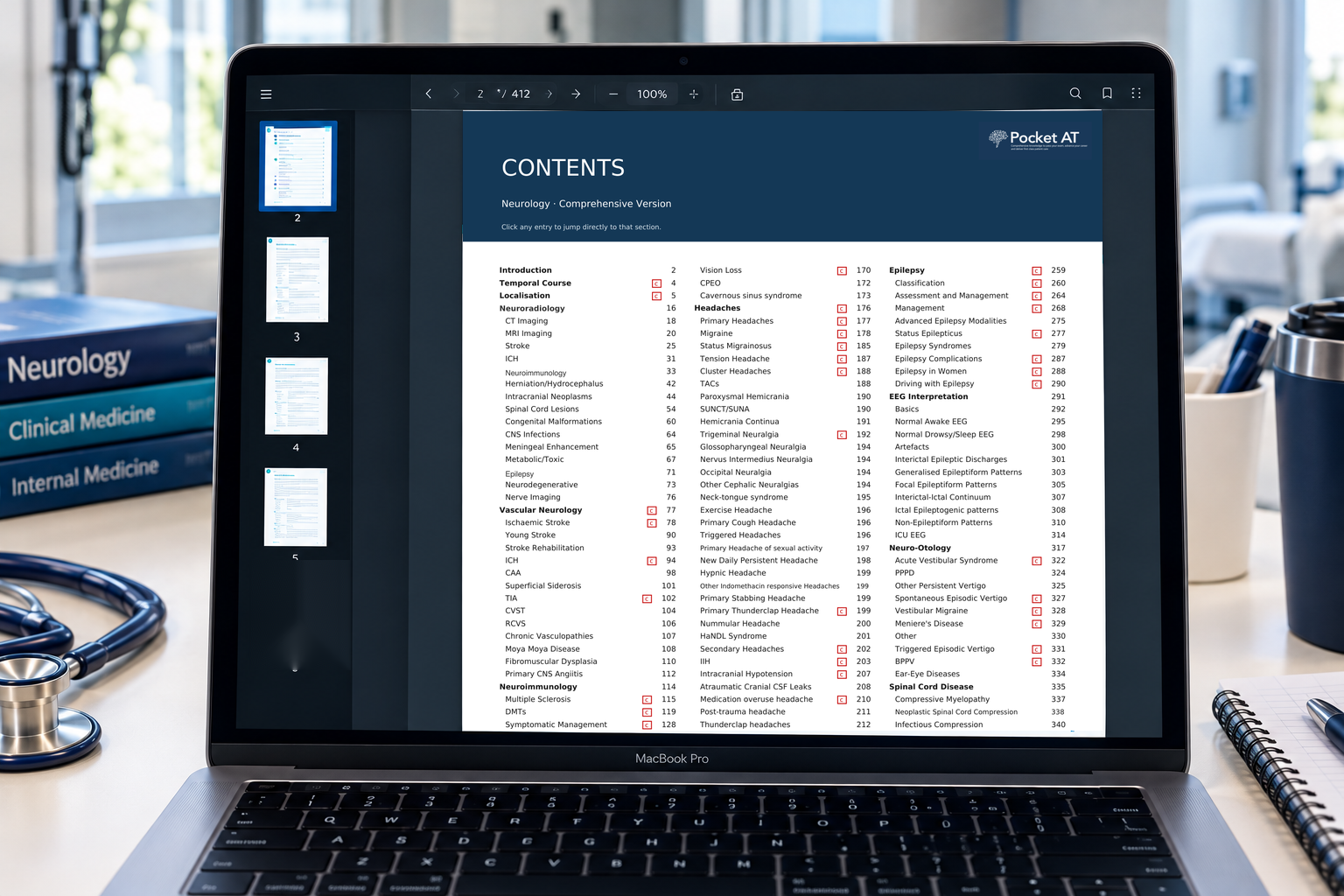
Pocket AT is a comprehensive, high-yield Neurology & Clinical Medicine resource built for Basic and Advanced Physician Trainees. Designed around the way trainees actually study and work, it brings essential knowledge together in one logical, structured and easy-to-navigate resource — whether you're preparing for exams or need a trusted reference on the wards.
Instead of spending months searching textbooks, guidelines and lectures Pocket AT does the heavy lifting for you. It distils the information you need into a practical, exam-focused resource that helps you study more efficiently, find answers faster and focus your time where it matters most.
From exam preparation to everyday clinical practice, Pocket AT gives you the knowledge and structure to build confidence, tackle challenging Neurology questions, progress through your training and deliver first-class patient care.
CHOOSE YOUR RESOURCE
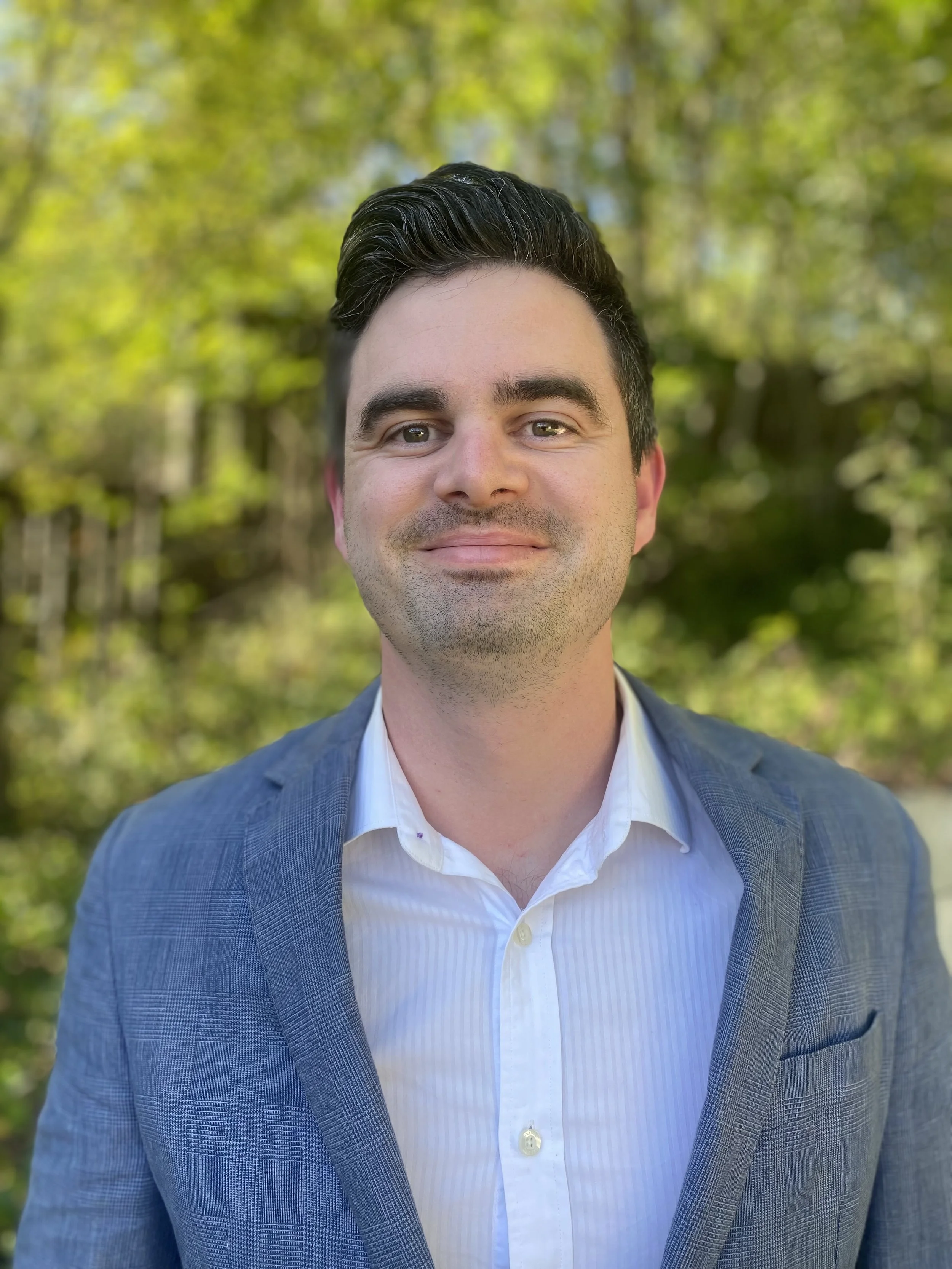
My name is Dr. Samuel Cole and I am a Neurology Advanced Trainee about to commence a fellowship in neuromuscular and epilepsy neurology. Pocket AT was born from my own experience of feeling overwhelmed by where to begin studying and, more importantly, how to quickly access trust-worthy and concise information when clinically required; whether that be on night shift or remote on-call.
Over the past 10 years, the resource has been continually developed and refined, keeping pace with emerging research, evolving clinical guidelines and key learnings from conferences and clinical practice. It gave me structure and direction when I was starting out as a new BPT and provided detailed and focused material for BPT examination preparation. As I progressed through training, it evolved into a practical resource, allowing me to rapidly access relevant information for advanced trainee consults, on-calls and emergencies.
I realised just how much value this resource added to my own training and practice - and how much value it could offer to the next generation of trainees coming through.
The Creator
WHAT OUR TRAINEES SAY
“These neurology notes are excellent! I am half way through and its such as huge timesaver. They are so comprehensive and it’s covering everything i need for the exam questions i’m doing.”
Dr. Jeremy Fernando - BPT“The Pocket AT clinical exam resources were very useful in getting me through my exams. Gave me the structure i needed”
Dr. Ali Karim - BPTFAQs
What happens once I have purchased the resource?
1
Once you have purchased the resource you will receive a receipt of payment. The resource will be available to download immediately, but is password protected. You will receive the password to access the resource in a separate email. It will be encrypted with your personal details for single use only. The resources come in downloadable documents that can be used on desktops, laptops, tablets or phones.
What is involved in the free trainee resource?
2
The free trainee resource is a free sample of the Pocket AT - Neurology content. It provides an overview of six vascular neurology conditions in the layout that resembles the full Pocket AT - Neurology product. It is always best to try before you buy to ensure you can see the quality and value the resource has to offer.
What makes Pocket AT different?
3
Pocket AT is extremely comprehensive. The comprehensive Neurology version has depth that is not matched by other available Neurology based resources. The layout of the resource is designed around how trainees actually study and work. It is readily available whenever you need it; whether that be at home on your study desktop or on your phone whilst on ward round/on-call.
What’s the difference between the Fundamentals and Comprehensive Neurology resources?
4
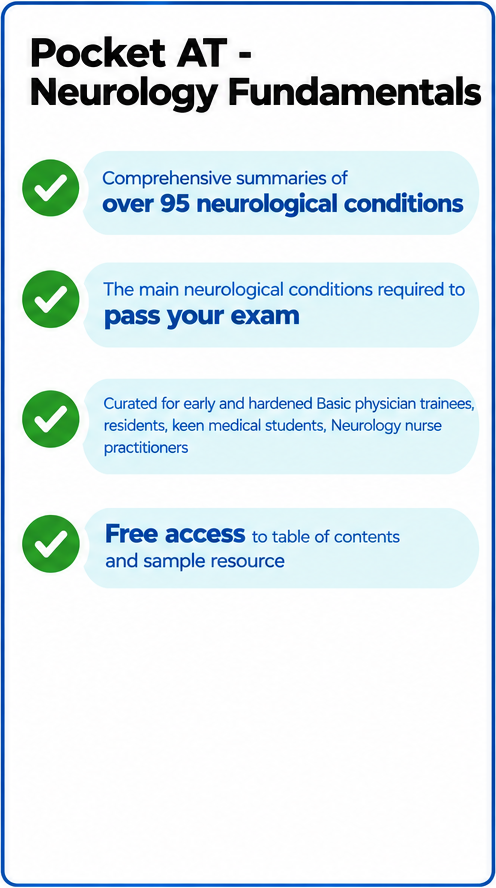
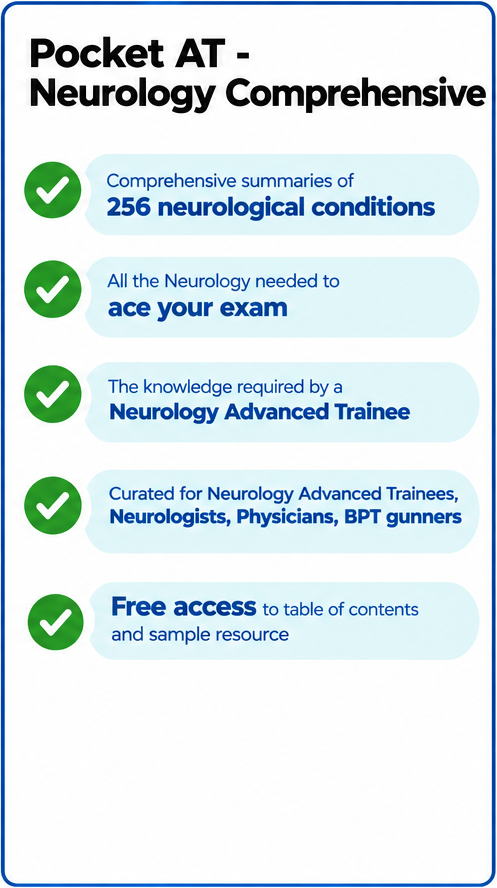
The difference comes down to the breadth of neurological conditions covered. The fundamentals version contains all critical conditions for BPT clinical practice and written examination preparation. The comprehensive version covers >250 conditions, being invaluable for Neurology Advanced Trainees, Neurologists and BPTs that want to ace the neurology section of the exam. The depth offered by the comprehensive version can be intimidating for BPTs, however it still highlights what parts you actually need to know for exam preparation and what conditions are less critical for your stage of training.
What is the value of the clinical exam resources?
5
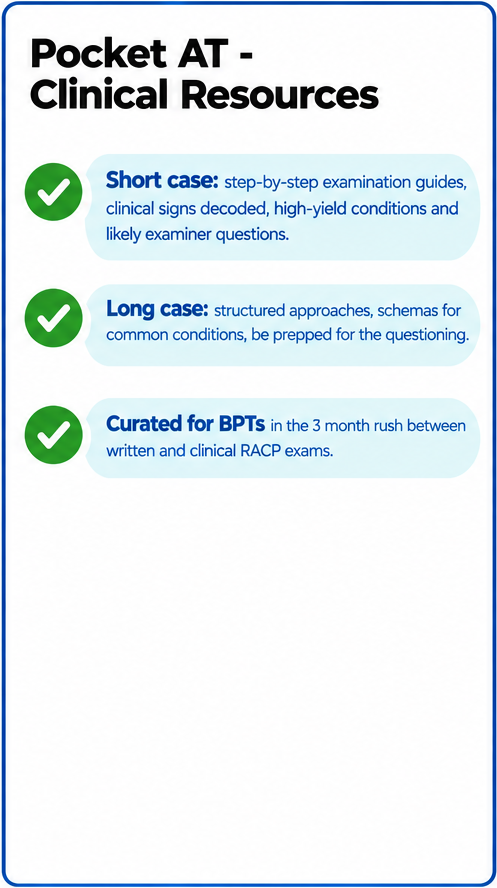
As a BPT, all your attention is on getting through the written exam. Then after you pass the written exam, you only have 3 months to master the clinical theory for all of the medical specialties and then apply it as an oral presentation. The Pocket AT - Clinical exam resources provide the structure and streamlines your clinical exam preparation. The short resources tells you how to conduct each exam, the significance of clinical findings and common cases/questions you’ll receive. The long case resource gives you an approach and structure for the long case and different scripts for common presenting problems.